Brisas · Don Tulio · Mallorca — Caicedonia, Colombia
A Farm That Feeds Itself
Our production system is organic and dynamic: what the coffee gives us — pulp, mucilage, prunings — returns to the soil as compost, ferments and biochar. Nothing that can feed the farm leaves the farm.
The Living System
Four generations, three farms, one soil
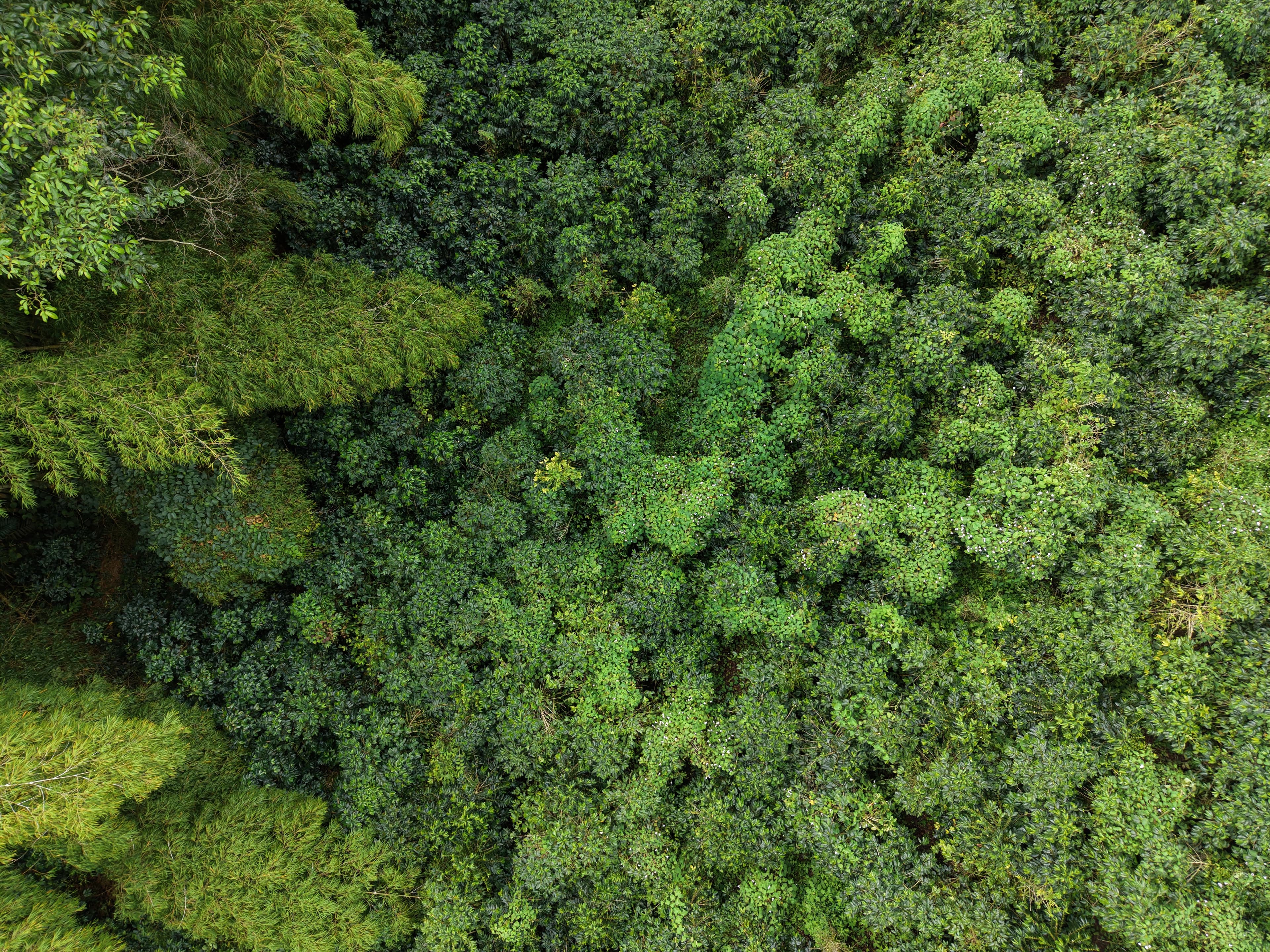
We grow specialty coffee on volcanic Andisol soils between 1,400 and 2,000 meters in the Colombian Andes, across three family farms: Brisas, Don Tulio and Mallorca. For four generations the same conviction has guided the work: coffee quality starts in the soil, years before any cup is scored.
That is why we run the farm as a living system. We produce our own biological inputs, return the byproducts of the wetmill to the fields, and ground every practice in the science of Cenicafé — Colombia's national coffee research center.
Three Ways of Growing
Our Production Models
Each lot is managed under one of three models — a deliberate experiment in how far living agriculture can take cup quality.
Regenerative Agriculture
Agricultura Regenerativa
Technology-driven production that restores soil health, increases biodiversity, and builds long-term resilience. Data-informed decisions at every step.
Organic
Orgánica
Chemical-free cultivation honoring natural cycles. Composting, biological pest control, and soil microbiome management for clean, expressive coffees.
Biodynamic
Biodinámica
An emerging practice treating each farm as a living organism. Lunar calendars, preparations, and holistic stewardship — where science meets intuition.
Circular by Design
Nothing Leaves That Can Feed the Farm
A coffee cherry is mostly not coffee: around 44% of its weight is pulp and about 13% is mucilage. At our scale that means hundreds of tons of organic matter every year — we treat it as an asset, not waste.
Coffee pulp → compost
Pulp from the wetmill is composted with chipped pruning stalks and mucilage, then returns to the lots as mature organic fertilizer.
Mucilage → ferments
Sugar-rich mucilage feeds our anaerobic biol digesters and accelerates the composting cycles.
Pruning stalks → biochar
Wood from zoca renovation cycles becomes biochar — charged with our own microbial brews before it goes into the soil.
Guadua → structures
Farm-grown guadua bamboo builds our drying and production infrastructure.
Made On the Farm
Biopreparados
Our biological preparations are brewed in the farm's own bioinputs kitchen — led end to end, from production to field application, by María Camila.
These are not products we buy. They are cultures and brews made from the farm's own materials — forest microorganisms, coffee byproducts, ash, lime and sulfur — and each one has a specific job in the system.
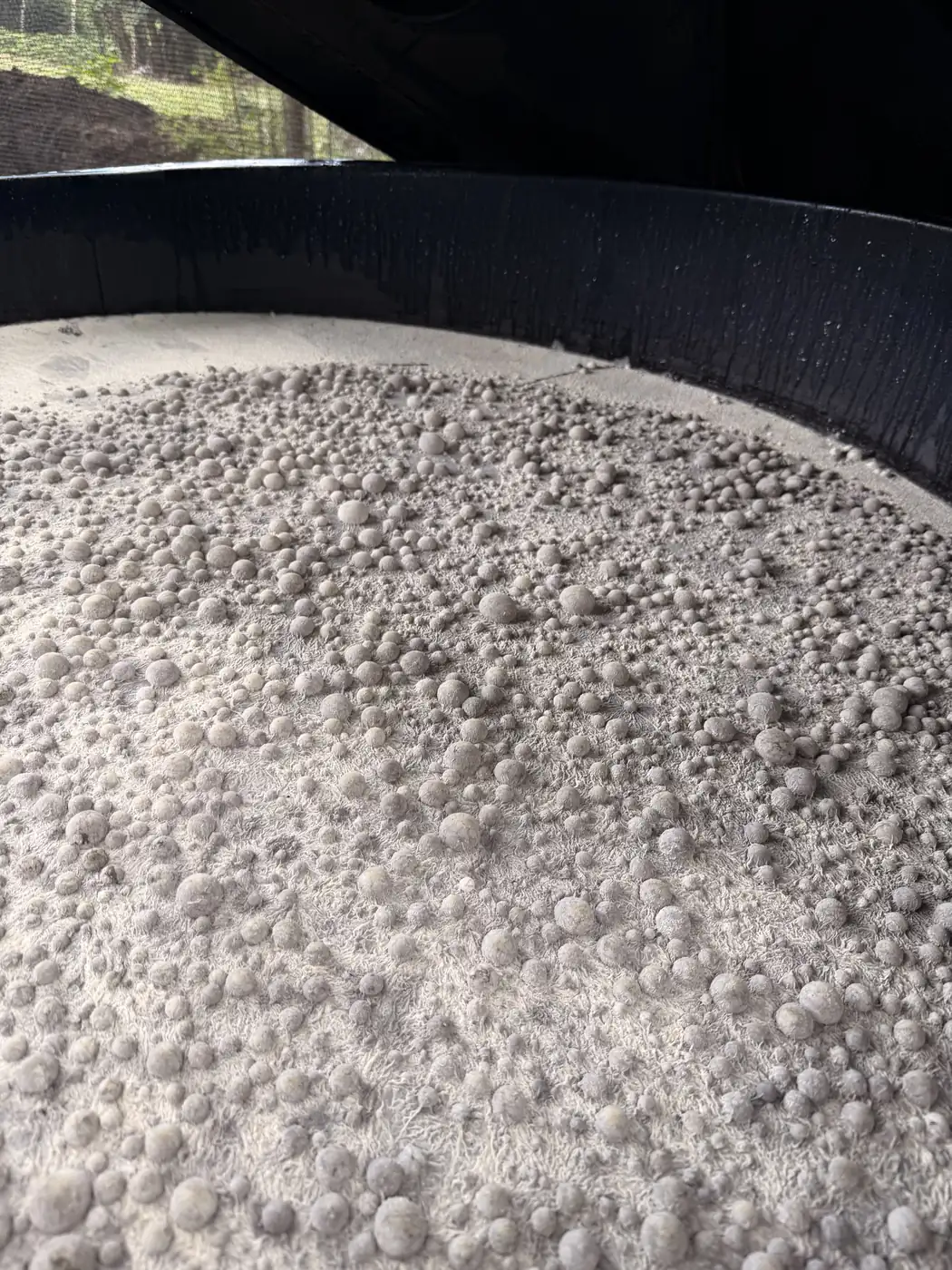
Mountain Microorganisms (ME)
Native microbes captured from our own forest litter and multiplied on-farm.
The microbial backbone of our composts, bokashi and soil applications.
Bokashi
A fast aerobic ferment of coffee pulp, cisco, soil and molasses, inoculated with ME.
Living fertility, ready for the field in one to two weeks.
Caldo Cenizo
A traditional wood-ash brew prepared in the kitchen.
Strengthens leaf tissue and helps manage fungal pressure without synthetic fungicides.
Caldo Sulfocálcico
Lime-sulfur brew, cooked and cured on-farm.
Part of our integrated management of mites and fungal disease.
Trichoderma
A beneficial fungus cultured on-farm and applied to the root zone.
Protects root systems and outcompetes soil pathogens.
Soil First
Organic Matter, Six Ways
Every preparation follows documented parameters — temperature, humidity, carbon-to-nitrogen ratios — because organic does not mean improvised.
Compost
Coffee pulp + chipped stalks + mucilage
3 weeks – 3 months
Bokashi
Pulp, cisco, soil, molasses, ME
7 – 15 days
Lombricompost
Pre-composted pulp fed to Eisenia fetida worms
60 – 90 days
Biol
Manure, molasses and mucilage in anaerobic digesters
28 – 33 days
ME
Forest litter, semolina, molasses
15 – 30 days
Biochar
Slow-pyrolysis coffee stalks, charged with biol and ME
Per batch
The Next Frontier
Growing Our Own Mycorrhizae
Arbuscular mycorrhizae are fungi that extend a coffee root's reach for water and phosphorus. We are building an on-farm program to produce our own: trap cultures started from each farm's native soil, so the inoculum is adapted to the exact ground it will return to.
The program follows the methodology of Cenicafé — Colombia's national coffee research center — and runs as a comparative trial: native inoculum versus commercial versus untreated control, measured on seedling growth and root colonization. What the science indicates: better transplant survival and a meaningful reduction in phosphorus fertilizer. We will publish what we find.
Methodology: Rivillas, Calle & Ángel (2019), Cenicafé — “Micorrizas Arbusculares”, Convenio Huila/FNC.
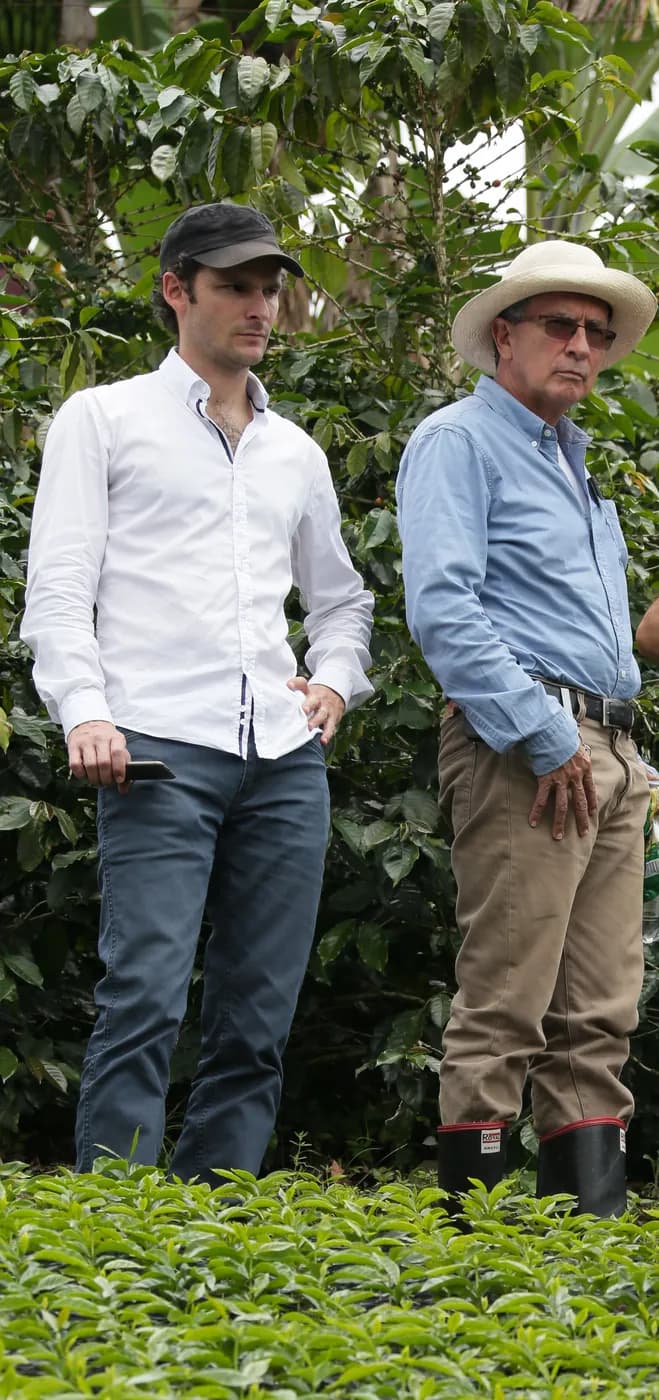
Inside the Kitchen
The Bioinputs Kitchen, In Photos
A look inside the production of our biopreparados — photos coming directly from the farm.
Taste What the System Grows
Every lot in our shop was grown in this living system — same soils, same biology, same hands.